Between cliffs battered by the Atlantic, colorful villages, ruined monasteries, and welcoming cities, Ireland is perfectly suited for a road trip. On woorld.fr, we have detailed several must-see stops across the country: this guide brings them together to help you design a complete itinerary, from the south to the northwest, passing through the island’s historic heart.
Dublin, a warm gateway
Most trips begin in Dublin. A friendly capital, the city is easily explored on foot: historic districts, street musicians, lively pubs around Temple Bar, the Trinity College library, and walks along the Liffey. It is the perfect place to acclimatize, enjoy the often-free museums, and get a taste of the Irish atmosphere before hitting the road.

Ireland’s Ancient East: Castles, Monasteries, and Rolling Countryside
Leaving Dublin toward the south and center, you enter “Ireland’s Ancient East,” rich in medieval and religious sites.
The Rock of Cashel dominates the Tipperary plains from its limestone outcrop. Once the citadel of the Kings of Munster and later a powerful religious center, it offers a spectacular collection of towers, a ruined cathedral, a Romanesque chapel, and high Celtic crosses.
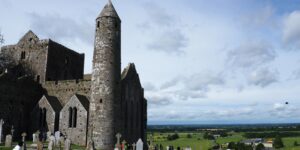
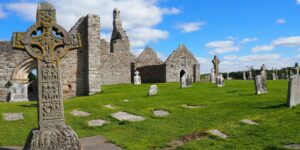
Further inland, Clonmacnoise watches over the calm banks of the Shannon. This ancient monastery, surrounded by crosses and ruined churches, tells the story of Christian Ireland and its links to Celtic traditions. The atmosphere is peaceful and spiritual, perfect for a more contemplative stop.
County Kilkenny completes this trio with its lively medieval city: a castle, ancient alleys, a cathedral, pubs, and cafes create a vibrant atmosphere. By combining Kilkenny and Wicklow, you transition from cobbled streets to green mountains, glacial valleys, and the monastic site of Glendalough, framed by two lakes.

South and Southeast: Gentle Coasts and Small Harbors
On the southeast coast, the counties of Waterford and Wexford offer long sandy beaches, quiet coastal villages, and trails like the Waterford Greenway. This is the gentlest part of the country, ideal for family vacations at a relaxed pace.
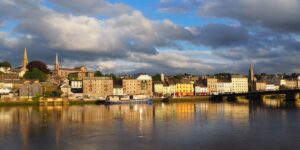
Further west, County Cork offers a mix of city and coastline. Cork City, crossed by the River Lee, offers markets, pubs, and cultural life. Nearby, Kinsale charms with its colorful harbor, bright facades, and excellent dining, a true gourmet break by the sea. It is an excellent base for exploring the south coast and the first wild peninsulas.
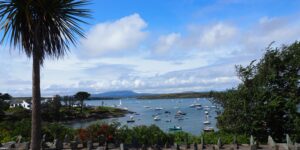

West Coast: The Energy of the Atlantic
Heading up the Wild Atlantic Way, the west coast reveals increasingly spectacular landscapes.
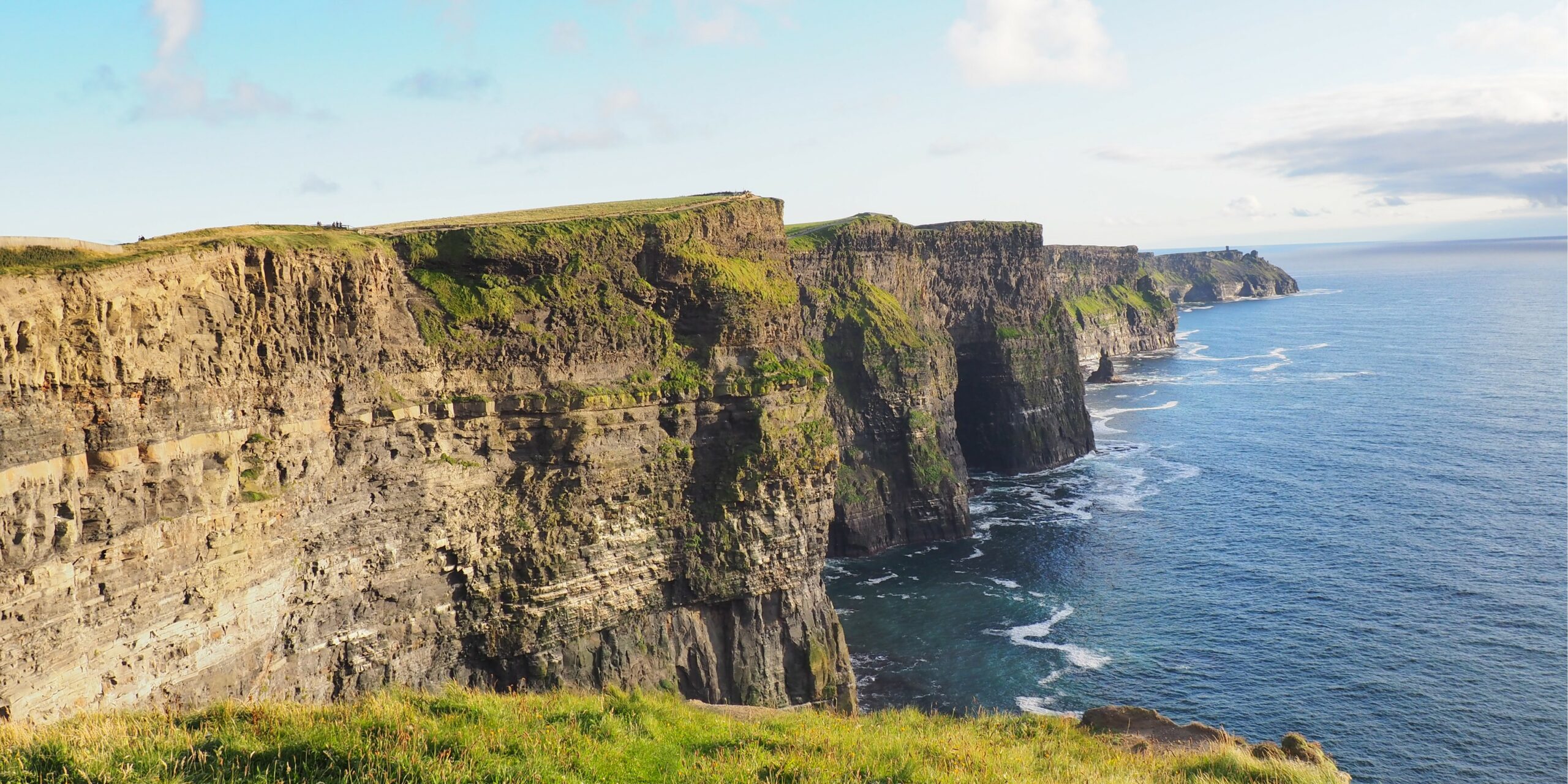
The Cliffs of Moher remain one of the great classics: a ribbon of rock rising over two hundred meters above the ocean, with marked trails, observation platforms, and an immense view of the Atlantic.
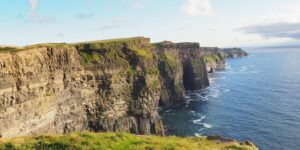
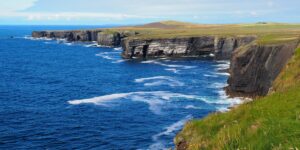
Further north in County Clare, the Loop Head peninsula offers an even wilder version, with a lighthouse perched at the end of the cliffs and very few crowds.
The County Galway combines the urban energy of Galway City, its lively pubs and street music, with the mineral landscapes of Connemara and the Aran Islands offshore. Here you will find the stone walls, dark lakes, and rounded mountains that have shaped the Irish imagination.
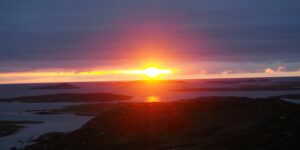
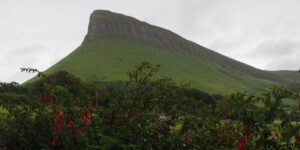
Continuing north, the counties of Mayo and Sligo feature surf beaches, iconic mountains like Benbulben, Achill Island, and long coastal roads. Less crowded than the southwest, this part of the coast is ideal for those seeking vast, preserved spaces.
Kerry and Donegal: Postcard Ireland… and the Wildest
In the southwest, County Kerry brings together many of the country’s postcard landscapes. The Ring of Kerry, the Dingle Peninsula, and Killarney National Park offer a succession of scenic roads, lakes, mountains, and colorful little villages. It is a perfect playground for photography enthusiasts, accessible hiking, and evenings at the pub after a day on the road.
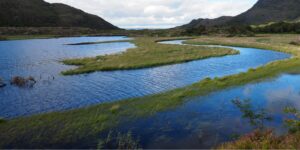
At the far north, County Donegal pushes the feeling of the end of the world even further. The Slieve League cliffs, Inishowen Peninsula, Malin Head, almost deserted beaches, and Glenveagh National Park form a spectacular whole, less visited than other regions. Donegal is a powerful stop for those who want to experience Ireland at its rawest.
Building Your Ireland Itinerary
Depending on the length of the trip, several approaches can be imagined:
-
Short stay (5–7 days): Combine Dublin, Kilkenny, or Wicklow, then a west coast classic like Galway and the Cliffs of Moher.
-
10–15 day road trip: Add Cork and Kinsale in the south, then head up toward Kerry, Galway, and Connemara.
-
Longer trip: Extend toward Mayo, Sligo, and Donegal for a complete immersion in the North Atlantic.
Everywhere, you find the same mix: warm B&Bs, pubs where music starts spontaneously, changing weather, and incredible light. By following these steps, you can compose your own trip to Ireland, between cliffs, medieval towns, wild peninsulas, and monasteries perched above rivers.